Parent Resources


Food and Nutrition Resources

Emergency Food Resources
If you need immediate help finding food, you can call the Hunger Solutions Minnesota hotline at 888.711.1151. You can also search for food pantries online.

Supplemental Nutrition Assistance Program (SNAP)
SNAP helps you buy the food you need if you have a low income. Participants receive a debit card to buy food at stores and farmers markets. You can apply online or contact your county or tribe for help.

Woman, Infants & Children Program (WIC)
WIC is a nutrition and breastfeeding program to help pregnant women, new mothers, infants and young children eat well, learn about nutrition, and stay healthy. Benefits include nutrition information, healthy food purchases using a WIC Card, and other health or community program referrals. Find a WIC clinic near you or call 800.942.4030.


Financial Aid Programs

Child Care Assistance Program (CCAP)

Who
You may be eligible to receive CCAP benefits if:

  • You have a low income. This includes families currently or recently in the Minnesota Family Investment Program (MFIP) and those who have never received cash assistance.
  • You have children ages 12 and younger or children with special needs who are ages 14 and younger that need child care.
  • You need help paying for child care to work, look for work, or attend school or training.

What
This program pays a portion of your child care costs to your child care provider. Families must use a legal provider. Families may have to pay a copayment based on their income and number of people in their family. There may be a waiting list for assistance in some counties for families that haven’t recently received cash assistance.

How

Fill out an online application at MNbenefits.mn.gov. Contact your county human services office or local contracted agency for more information about applying for child care assistance.

To check the status of your application or case, contact your county human services office or local contracted agency.

Applying for the Child Care Assistance Program

Before families can receive child care assistance, they must complete an application and meet eligibility requirements. The application must be signed.

There are three ways families can apply for the Child Care Assistance Program (CCAP). The method used depends on your situation and the program(s) you are applying for:

  1. The Minnesota Child Care Program Application DHS-3550. This form can be used when families are applying for CCAP only.
  2. A Combined Application - Child Care Addendum DHS-5223D and a Combined Application Form DHS-5223 (CAF) can be completed if you are applying for cash or SNAP with CCAP.
  3. A Child Care Application must be completed or you can complete an application online at https://www.mnbenefits.org. Minnesota's online application can be completed when applying for CCAP only or when then applying for cash and / or SNAP.

For more information about the Child Care Assistance Program, visit the Minnesota Department of Human Services 


Early Learning Scholarships

Who
Families meeting income eligibility requirements with a child between the ages of 0 and 4 on September 1 of the current school year who choose an eligible child care program (a program participating in Parent Aware).

What
Scholarships help families afford high-quality child care and early education programs. At this time, maximum scholarship award amounts vary based on the child’s age, program type, county where the program is located, and Parent Aware participation status. View the Early Learning scholarships Maximum Award Amounts and Early Learning Scholarships Maximum Registration Fees to learn more. The scholarship cap may be subject to change.

How
For more information and to apply online, visit the Early Learning Scholarships Hub. For questions, call Parent Aware at 888.291.9811 or contact your local scholarship administrator.


Military Families - Child Care Aware MN

Child Care Assistance for Military Personnel

Authorized active duty personnel of all military branches that do not have access to an on-base child care provider may receive assistance in locating, selecting, and offsetting the cost of full-time or part-time civilian child care.

Visit the Child Care Aware® of America website to learn more about the assistance available and the eligibility requirements.

Military Child Care in Your Neighborhood - Plus Program (MCCYN-PLUS)

On January 22, 2024, Minnesota officially launched a partnership with Department of Defense to bring child care fee assistance program (MCCYN-PLUS) for military families to an expanded group of child care providers.


Early Childhood Growth and Development

Help Me Grow
Information about how a child develops between birth and age 5, ideas on encouraging healthy development, and links to help if you have developmental concerns about your child.

Early Childhood Screening
An Early Childhood Screening is a quick and simple way to check how your 3 to 5 year-old is growing, learning, and developing. Screenings are free and can help detect possible health or learning problems so that children can get help they need before starting kindergarten. An Early Childhood Screening, or a similar health and developmental screening, is required for your child to enter kindergarten in Minnesota public schools. 

Follow Along Program
Free developmental and social-emotional screening for children birth to 36 months, administered through local public health departments. Families fill out periodic questionnaires that ask how their child is growing, playing, talking, moving, and acting. Children with concerning screening results are referred for further medical, mental health, and/or educational evaluation and services. 

Family Home Visiting (FHV)
A voluntary program that provides social, emotional, health-related, and parenting support and information to families prenatally and with young children, and links them to appropriate resources. Some examples of services are prenatal care and referrals, help creating a safe and healthy environment, and referrals to early childhood programs in the community.

Early Childhood Family Education (ECFE)
Your local school district provides parenting education to support children’s learning and development through this program, taught by licensed early childhood and parent educators. For more information, contact your local school district.

Early Childhood Indicators of Progress (ECIPs)
These standards provide developmentally appropriate expectations for what young children should know and be able to do at certain ages. Early childhood teachers and care providers can use the ECIPs to design learning experiences and support conversations with parents about their child’s progress.


Welcome to Early Childhood Family Education (ECFE) Dist. 742

  • Being a Parent is a Big Job!

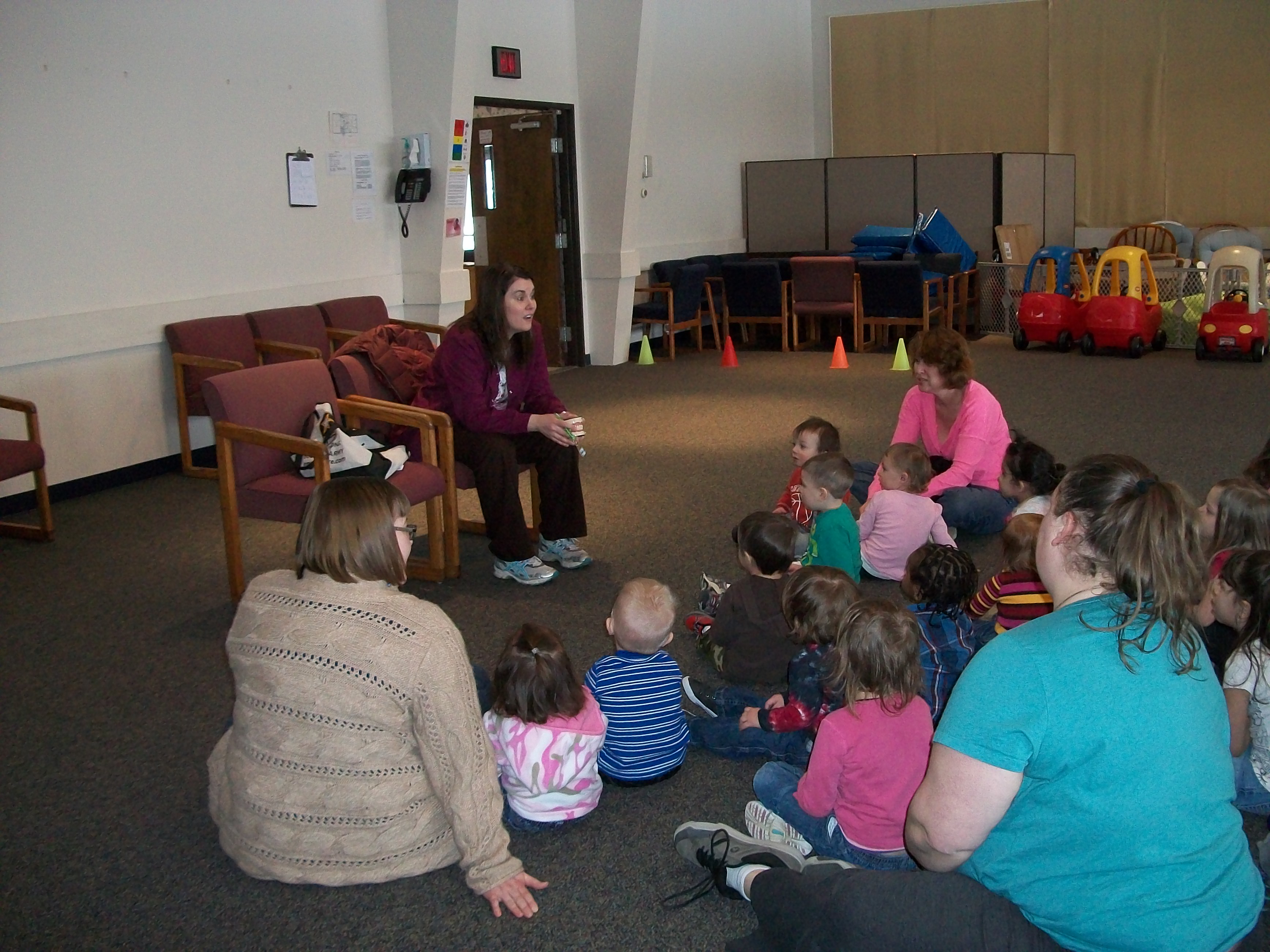
    Early Childhood Family Education (ECFE) is here to help. ECFE provides quality learning opportunities and resources for parents and children from birth to kindergarten entry. Classes include parent-child playtime, time for parents to observe their young children playing in an early childhood learning center and time to discuss parenting concerns with other families and staff. Explore our website - and fall in love with - ECFE in the St. Cloud Area School District 742.

    https://isd742.ce.eleyo.com/search?it[]=EcfeCategory&redirected_yet=true

  • https://earlychildhood.isd742.org/fs/resource-manager/view/730e4560-84ea-472c-92c1-e0d930d92e3b

    For more Ready for K information, view the informational brochures below:


    Quarryview Education Center, 800 7th St S
    Waite Park
    MN
    56387

Early Childhood Family Education Proud


Kindergarten Enrollment Dist. 742

  • ​​​​​​​
    1. Join Us at a Kindergarten Enrollment Night

    Clearview: Jan. 21, 4:30-6 p.m.

    Discovery: Jan. 8, 4:30-6 p.m.

    Kennedy: Jan. 28, 4-5:30 p.m.

    Lincoln: Jan. 27, 4:30-6 p.m.

    Madison: Jan. 26, 4-5:30 p.m.

    Oak Hill: Jan. 22, 4:30-6 p.m.

    Talahi: Jan. 15, 4:30-6 p.m.

    Westwood: Jan. 29, 4:30-6 p.m.

    *An Immersion Enrollment Night will be held Jan. 12, 2026, at the District Administration Office (1201 2nd St. S, Wait Park) from 4:30-6 p.m. Informational presentations will be at 4:30 and 5:15 p.m.

    2. Enroll Online

    Beginning Dec. 15, you can enroll your soon-to-be kindergartner from home using our online enrollment feature, available 24 hours a day, seven days a week.

    Enroll online!

    3. Visit the Welcome Center

    Visit the Welcome Center and enroll in person at the District Administration Office, 1201 2nd St. S, Waite Park.

    Monday - Friday, 7:30 a.m. to 4:30 p.m.
    (Summer hours: 7:30 a.m. to 4 p.m.)

    320-370-8116 (English)
    320-370-8117 (Spanish)
    320-370-8118 (Somali)

    1. Age of Entrance

    To be eligible for kindergarten, students must be five years of age on Sept. 1 of the school year for which admission is requested. Verification of birth must be provided to validate student’s age.

    If age requirements are not met for kindergarten, preschool programs are available. Early entrance into kindergarten is an option in some instances. Please review the Early Entrance to Kindergarten web page for more information and online application.

    2. Complete Early Childhood Screening

    Minnesota state law requires Early Childhood Screening for all children entering kindergarten in a public school. Ideally, your child should complete this between the ages of 3 ½ and 4. 

    If your child has NOT completed this FREE screening, please contact Early Childhood Education at 320-370-8250 or schedule a screening

    3. Update Your Child's Immunizations

    For the safety of all children, Minnesota state law requires written proof that the child has been immunized against:

    • 5 DPT (diphtheria, tetanus, pertussis)
    • 4 Polio
    • 2 MMR (measles, mumps, rubella)
    • Series of 3 hepatitis B and 2 varicella

    Immunization records must be returned to the school nurse by Aug. 15 before the start of school. If there is a medical reason for not receiving immunizations or if families conscientiously object to the immunizations, complete section two of the Immunization Form. For more information on immunizations and state requirements, review board policy 530.

    4. Learn More & Decide on Language Options

    In addition to the traditional English classroom, District 742 offers Dual Language Immersion in Spanish and Chinese for students entering kindergarten. These programs immerse children in a second language, allowing them to learn a second language and become bilingual at an early age. Learn more!

    Madison Elementary School
    Chinese Immersion for students in all attendance areas and out of district.

    Clearview Elementary School 
    Spanish Immersion for southside families and out-of-district students

    Proposed for 2026-27 School Year: Kennedy Community School
    Spanish for northside and out-of-district students